
Categories
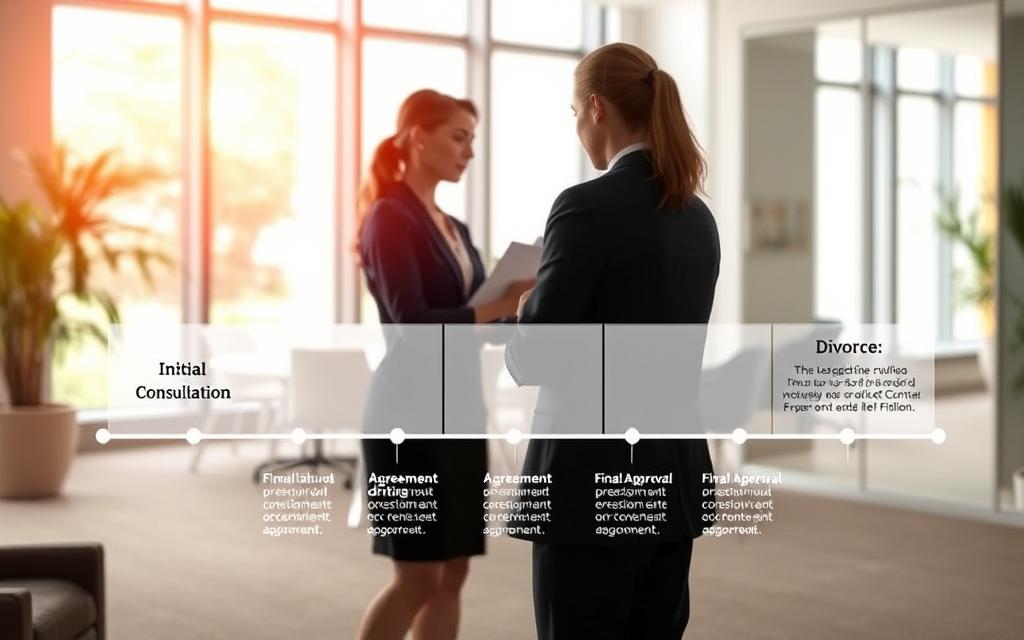
Discover how long is mediation for divorce and what factors affect its duration. Learn about the timeline, costs, and steps involved in divorce mediation to plan ahead effectively.
Are you curious about how long divorce mediation takes? Could it make your split less stressful? Mediation is a smart choice instead of fighting in court. It’s faster and more peaceful.
Looking into mediation for divorce, you’ll find it’s flexible. It can lessen emotional and financial stress. How long it takes depends on your situation, how complex things are, and if you both want to talk things out.
Knowing how long mediation for divorce takes helps you plan better. This guide will explain everything about mediation. You’ll learn about timelines, steps, and how to solve problems together.
Divorce mediation is a way to end a marriage that lets couples control their own process. It’s different from going to court. Mediation is more flexible and caring for solving big problems.
The time it takes for divorce mediation changes based on a few things. It’s usually faster than going to court. This makes the process quicker.
Divorce mediation is when a neutral person helps couples talk things out. They work together to solve issues. This method is all about:
Choosing mediation has many good points:
| Benefit | Description |
|---|---|
| Cost-Effective | It costs less than going to court |
| Privacy | Talks are private, not in public courtrooms |
| Control | Couples decide, not a judge |
Mediation and court fights are different in many ways:
By picking mediation, couples can avoid a lot of stress and cost. They also get to decide more about their future.
Divorce Attorneys at Diamond Legal, P.C. provide compassionate guidance for individuals navigating difficult family transitions. Their team focuses on clear communication and practical solutions tailored to each client’s unique situation. Clients appreciate dedicated support that helps reduce stress during emotionally challenging legal proceedings.
Divorce mediation is flexible and can take different amounts of time. It depends on many important factors. Knowing how long it usually takes helps couples understand their journey better.
The usual time for divorce mediation is 3 to 6 months. But, some cases might be quicker or take longer, depending on the situation.
Many things can change how long mediation takes. Important ones include:
| Complexity Level | Estimated Duration | Primary Challenges |
|---|---|---|
| Low Complexity | 2-3 months | Minimal asset division |
| Medium Complexity | 4-6 months | Moderate asset negotiation |
| High Complexity | 7-12 months | Significant asset division, child custody disputes |
Every divorce mediation is different. The complexity of the case is a big factor in how long it lasts. Couples with simple financial situations and few disagreements might finish faster. But, those with complex assets or tough personal issues might need more time.
Divorce mediation is a way for couples to work together to end their marriage. It focuses on making the process smooth and supportive. This helps in solving tough issues.
Understanding the mediation journey is key. It involves knowing the steps and how to have good talks. Scheduling mediation well can help it succeed.
The first step is a meeting with a neutral mediator. Here, couples:
Negotiation sessions are the heart of divorce mediation. They are meetings where couples talk about important issues. A mediator guides the talks.
| Negotiation Focus | Key Objectives |
|---|---|
| Asset Division | Fair sharing of marital property |
| Child Custody | Creating a good parenting plan |
| Financial Support | Figuring out alimony and child support |
The last step is making a legal document with all agreed terms. Precision and clarity are very important here. They help avoid future problems.
Good mediation needs open talks, being willing to give in, and finding solutions that work for both.
Divorce mediation is a complex process. Many things can affect how long it takes to agree on a final deal. Knowing these factors can help couples move through the mediation faster.

The number and complexity of issues greatly affect mediation time. Couples with many big topics like property, custody, and money need more time to talk things over.
How willing each partner is to find common ground is key. Couples who work together can finish their divorce faster.
| Compromise Level | Estimated Mediation Duration |
|---|---|
| High Willingness | 2-4 Sessions |
| Moderate Willingness | 4-6 Sessions |
| Low Willingness | 6-8+ Sessions |
Good communication is very important in mediation. Partners who talk well and listen can agree faster. This makes mediation shorter.
Getting ready well can make divorce mediation shorter and smoother. It helps people talk through tough issues better.
There are key steps to take to make mediation go faster. Start by gathering and organizing important papers. This makes talks more productive.
Having all your financial papers ready is very important. Make sure you have:
Knowing what might cause trouble helps avoid fights. Make a list of the most important things to talk about. This includes how to split things, who gets the kids, and who pays what.
Knowing what mediation is about helps manage your feelings. Remember, finding perfect solutions is hard. Be open to finding good solutions together.
Spending time getting ready can make mediation shorter. It also helps everyone work together better to solve problems.
Divorce mediation doesn’t always work out. If it hits a roadblock, couples need to know what to do next. The time it takes for mediation can get longer if they can’t agree.
Knowing your options is key when mediation hits a snag. Couples who can’t agree have several ways to move forward with their divorce.
When mediation hits a wall, couples can try other ways to solve their issues:
If other methods don’t work, going to court is the last option. This can make the divorce process longer and more expensive.
| Resolution Method | Average Duration | Estimated Cost |
|---|---|---|
| Mediation | 3-6 months | $3,000-$8,000 |
| Litigation | 9-18 months | $15,000-$50,000 |
Getting a lawyer is very important when mediation fails. A good lawyer can help you through tough times, protect your rights, and find the best way to move forward.
Having a lawyer makes sure your interests are looked after during a tough divorce.
Choosing the right mediator is key to a smooth divorce mediation. It’s important to think carefully and make a good choice.
Finding a mediator with the right skills is vital. They should know family law and how to solve conflicts. This makes the process faster.
| Service Type | Average Cost Range | Typical Duration |
|---|---|---|
| Initial Consultation | $100 – $300 | 1-2 hours |
| Full Mediation Package | $3,000 – $8,000 | 3-6 sessions |
| Complex Case Mediation | $8,000 – $15,000 | 6-10 sessions |
Choosing the right mediator is important. It can make your divorce mediation faster and better. Look for someone who is skilled, caring, and has solved many conflicts.

Figuring out how long mediation for divorce takes can be tricky. That’s why having a lawyer is so important. Lawyers help you know your rights and keep your interests safe during talks.
Even if lawyers aren’t there all the time, they are very helpful. They help make sure you get a fair deal and speed up the process.
Knowing when to get your lawyer involved can really help. Here are some good times:
Working well with your lawyer can make mediation go faster. Open communication and shared goals are key. This helps you get a better and quicker outcome.
Your lawyer is a partner in strategy. They give legal advice and support your goals. Working together, you can get a faster and better result.
Divorce mediation is a new way to solve problems in marriage. When couples work together and talk openly, they can get great results. These results help both sides a lot.
Good mediation needs strategies for both sides. Important steps include:
When both sides agree, mediation goes faster. Mutual agreements lead to stronger, lasting solutions. These solutions cut down on future fights and legal troubles.
| Mediation Outcome | Long-Term Benefits |
|---|---|
| Collaborative Decision-Making | Reduced Emotional Stress |
| Customized Solutions | Lower Legal Expenses |
| Preserved Relationships | Better Co-Parenting Dynamics |
Mediation brings big benefits beyond solving immediate problems. Couples who do well in mediation often talk better, manage money better, and heal emotionally.
Divorce mediation is more than just legal steps. It’s a journey filled with emotions. These feelings can change how long it takes to finish the mediation.
Feeling stressed or anxious can slow down the mediation. It’s important to handle these feelings well for a quick solution.
Divorce makes people feel very emotional. To deal with this, try these tips:
Being smart about emotions is key in mediation. Here’s how to do it:
Emotional intelligence is very important in mediation. If emotions are not controlled, talks can go longer. Knowing your feelings and staying calm helps couples agree faster.
After divorce mediation, couples start a new chapter. They finalize their agreement and move on. The process takes time, even after mediation ends.
Going through the post-mediation phase is important. You need to pay attention to legal details and take care of your feelings. The time it takes to finish the process can vary.
The agreement needs a careful review. Here’s what to do:
Legal papers make your agreement official. You’ll need:
| Document Type | Typical Processing Time | Required Steps |
|---|---|---|
| Divorce Petition | 1-2 weeks | File with local court clerk |
| Mediation Agreement | 3-5 days | Notarize and submit with petition |
| Property Division | 1 week | Detailed financial disclosure |
Emotional healing and practical reorganization are key. Thinking positively helps you adjust to your new life.
It’s important to be patient and communicate well. Sticking to the agreement helps you start fresh with respect for each other.
Going through a divorce can be tough on your wallet. Knowing how much divorce mediation costs helps couples make smart choices. It’s important to keep costs down.
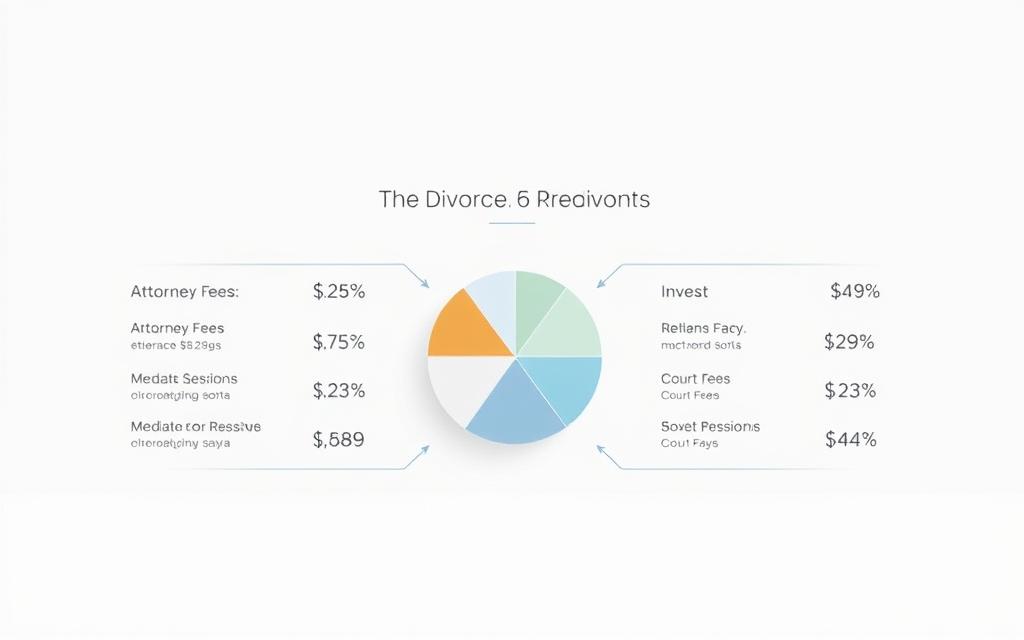
Divorce mediation is usually cheaper than going to court. The cost can change a lot based on a few things.
How much you spend on divorce mediation depends on:
How you schedule your mediation can also affect the cost. Most couples pay between $3,000 and $8,000 for everything.
| Divorce Method | Average Cost | Estimated Time |
|---|---|---|
| Mediation | $3,000 – $8,000 | 3-6 months |
| Litigation | $15,000 – $30,000 | 12-18 months |
Even though mediation is cheaper, there might be extra costs:
Planning your mediation well can help save money. This makes the process cheaper and faster.
Divorce mediation can feel complex and overwhelming. Knowing how long it might take can help. It depends on many things like how well you talk and how many assets you have.
Many people think mediation is always fast or not good for tough cases. But, it’s flexible and can work for any situation. The most important thing is to keep talking and work together.
Some think mediation is only for easy splits. But, mediators are trained to handle tough talks. They help couples find solutions. Another myth is that mediation is always faster than court. But, how long it takes really depends on the issues.
Being well-prepared is key. Have all your financial papers ready and be honest about what you need. Try to solve problems together. Also, find a mediator who knows about divorce and feels the emotional side of it.
Look for help from groups like the American Bar Association or the Association of Family and Conciliation Courts. They offer lots of info on mediation. This can help you make smart choices about your divorce.
