
Categories
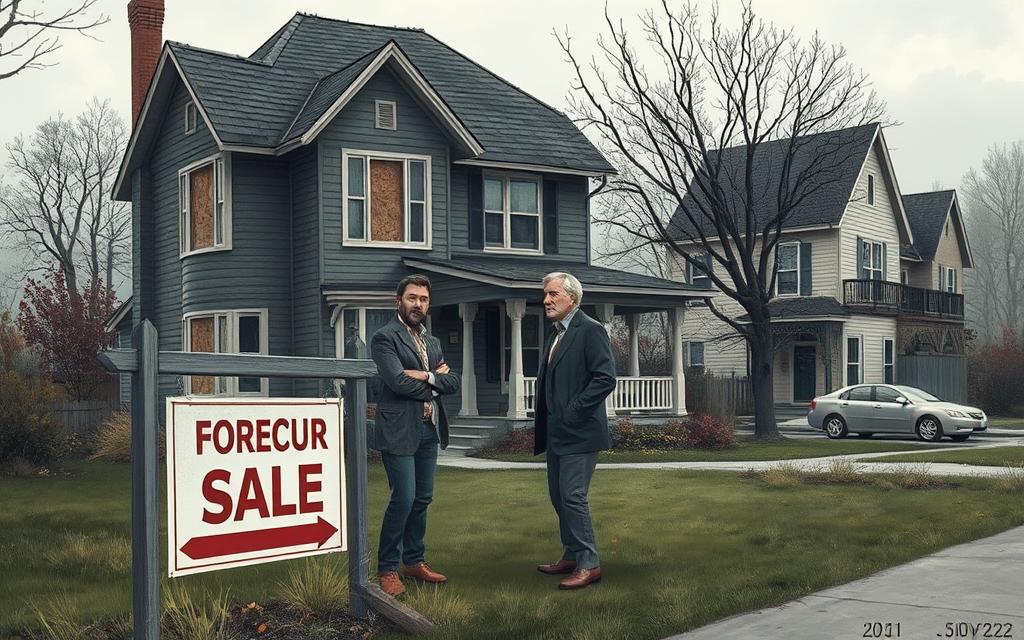
Ever wondered if you can sell a house in foreclosure before losing everything? Homeowners facing financial challenges often feel trapped. But selling a home before auction might be your lifeline to financial recovery.
Foreclosure is a challenging process that can overwhelm homeowners. When mortgage payments fall behind, banks start proceedings. This could lead to property seizure. But there’s hope: you can avoid foreclosure by selling your home. This might salvage your credit and financial future.
The key is understanding your options and acting quickly. Selling a home before auction lets you take control of a difficult situation. You might pay off your mortgage and avoid long-term credit damage.
Foreclosure is a big problem for homeowners who can’t pay their mortgage. If someone can’t pay their mortgage, the bank can take their house back. This is to get their money back.
Foreclosure happens when someone can’t pay their mortgage. The bank starts a legal process to take the house. They do this after many missed payments. They sell the house to get their money back.
In the United States, there are two main ways to foreclose:
The steps to foreclose are:
Knowing these steps helps homeowners find ways to solve their problems. It helps them make smart choices when money is tight.
Dealing with a foreclosure sale is hard and full of legal steps. It’s key to know your rights and duties. This helps you sell your home legally and protects both you and buyers.
If you’re facing foreclosure, you need to know some important legal points. These rules help make sure everything is fair and clear.
Even when facing foreclosure, you own your home until it’s sold. Here are some important facts:
When facing foreclosure, you have duties to lenders. These include:
There are laws to protect you during foreclosure. Mandatory disclosures make sure everyone knows what’s happening.
You must tell buyers about your home’s condition and any problems. This helps keep the sale legal and fair for everyone.
Facing foreclosure is tough and stressful. Selling your house early can help manage money problems and protect your future.
Selling your house early can save your credit. You get to control the sale and avoid a public auction. This way, you:
Selling early can lessen your money worries. Selling your home early can help pay off your mortgage and avoid extra costs. This can help you:
A foreclosure can hurt your credit for a long time. Selling early can lessen this damage. You might see:
Knowing these benefits can guide homeowners through tough times.
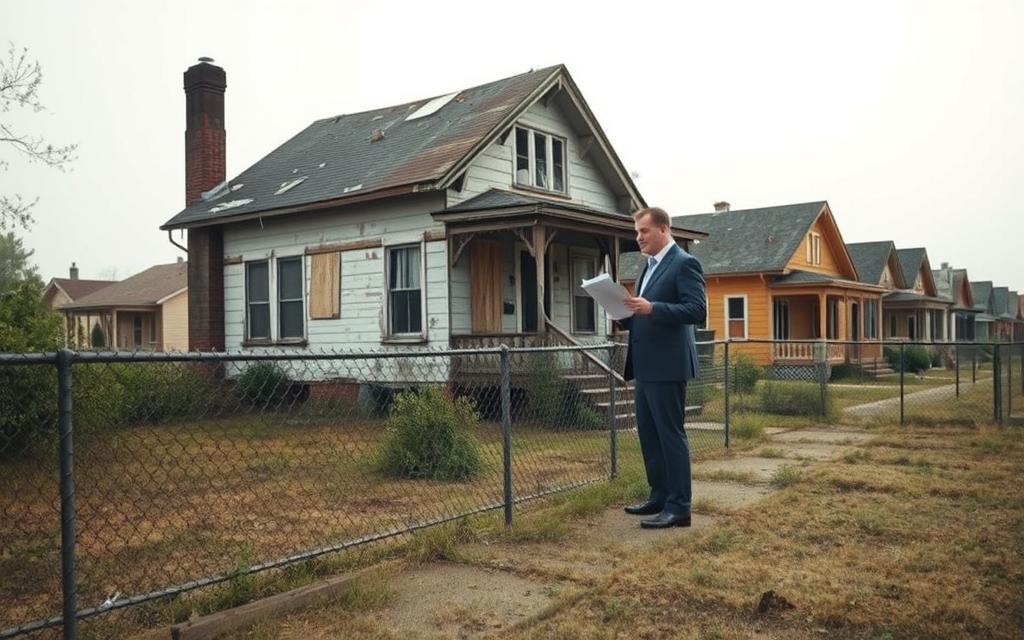
Selling a home in foreclosure is hard. Homeowners face many legal, financial, and time challenges. They need to plan and act fast.
Lenders have strict rules for selling a home in foreclosure. These rules can be tough. They might ask for a lot of financial info, limit how long you can negotiate, and set a minimum sale price.
The market can be tough when selling a foreclosed home. Foreclosed homes usually sell for less. This can be hard for homeowners who want to sell fast.
Homeowners have a short time to sell before foreclosure starts. Lenders usually give 60-90 days. Speed is very important.
To succeed, homeowners need to:
Knowing these challenges helps homeowners make good plans. This can protect their money during a tough time.
Homeowners facing foreclosure have many ways to sell their homes. Knowing these options can lessen financial loss and guide them through tough times.
When dealing with a short sale foreclosure, property owners can explore many ways to sell their home. This can help lessen their financial burden.
A short sale happens when a buyer buys the property for less than the mortgage debt. This option needs lender approval and can prevent full foreclosure.
Selling a house to an investor is a good option for homeowners in trouble. These buyers often buy quickly and don’t mind homes in as-is condition.
Choosing between a traditional sale, short sale, or selling to an investor depends on many things. These include your situation, the market, and your financial goals.
| Sale Method | Speed | Potential Financial Impact |
|---|---|---|
| Traditional Sale | Slower | Potentially higher recovery |
| Short Sale | Moderate | Reduced mortgage debt |
| Investor Sale | Fastest | Quick cash resolution |
Talking to a real estate expert can help find the best way to handle your foreclosure situation.
Selling a house before foreclosure needs careful planning. Homeowners with mortgage defaults have steps to protect their money and credit.
Understanding your situation is key when selling a house with a mortgage default. A real estate agent can guide you through this tough time.
Do a deep financial check by looking at these important things:
Talking to your mortgage lender early is very important. Many lenders want to work with homeowners to avoid foreclosure costs. Talk about options like:
Pick a real estate agent who knows about pre-foreclosure sales. Choose someone who knows the local market and foreclosure rules. They can set a good price and find buyers fast.
Your agent will help you get ready with important papers, like:
Understanding how to price a foreclosed home is key. Homeowners facing a sheriff sale must price wisely. This helps keep more money in their pockets.
Finding the right price for a foreclosed home is a big task. It needs careful market analysis and knowing what matters most. Getting help from a real estate agent is very important.
Getting the price right starts with good market research. You need to think about:
Using smart pricing strategies can really help sell your home. Here are some tips:
| Pricing Strategy | Potential Sale Time | Buyer Interest Level |
|---|---|---|
| Aggressive Pricing | 1-2 weeks | High |
| Market Rate Pricing | 4-6 weeks | Moderate |
| Above Market Pricing | 8+ weeks | Low |
A good real estate agent offers critical insights for pricing your foreclosed home. They know about market trends and how to negotiate. This helps you sell your home before the sheriff sale.
Agents know how to handle the tough parts of selling a foreclosed home. They use their local knowledge to help you get the best price.
Selling a house to avoid credit hit needs smart planning, more so when facing foreclosure. Buyers want homes that look good and are ready to move into, even when the market is tough.
When selling a home fast in foreclosure, focus on important areas. These can make your property more appealing without spending a lot.
Staging doesn’t need to cost a lot. Simple, cheap ways can make your home more attractive:
First impressions are key when selling a foreclosed property. Affordable improvements can make a big difference.
| Area | Low-Cost Improvement | Estimated Impact |
|---|---|---|
| Exterior | Fresh paint on front door | High visual appeal |
| Landscaping | Basic yard maintenance | Increased attractiveness |
| Entryway | Clean and declutter | Welcoming first impression |
Small investments in preparation can help you sell your home faster. This can also help lessen credit damage from foreclosure.
Closing a foreclosed home sale is complex. Homeowners must understand the steps to finalize a mortgage company approval sale. They also need to protect their financial interests.
The closing process for a foreclosed property is different from regular home sales. Sellers face extra scrutiny and requirements for short sale approval.
Closing costs in a foreclosure can be high. Homeowners should expect to pay for:
A title company is key in verifying property ownership. They ensure a smooth transfer. They search for any liens or legal issues that could stop the sale.
| Title Company Service | Purpose |
|---|---|
| Title Search | Verify property ownership history |
| Lien Verification | Identify outstanding financial claims |
| Document Preparation | Ensure legal transfer of property |
Getting final lender approval needs careful work. Sellers must show the property’s value and share financial details. This helps get mortgage company approval.
Tip: Work closely with a real estate professional experienced in foreclosure sales. They can help make the closing process smoother and avoid problems.
Selling a home during foreclosure needs careful timing. This can help you get the best financial outcome and avoid an auction. The time you sell can greatly affect your financial situation.

Knowing when to list your property is very important. The pre-foreclosure period is a key time. It lets homeowners try to sell before losing control of their finances.
Local real estate trends are very important for selling. Think about these things:
Talking to a real estate expert can guide you. They can help you figure out the best time to sell. They’ll make a plan just for you.
Dealing with foreclosure can be tough, with lots of wrong info out there. Homeowners facing foreclosure often get confused. This can stop them from making smart choices.
Many think wrong things about selling a home in foreclosure. Let’s clear up some big myths that confuse homeowners.
Reality: Lenders want to get back what they invested. Short sales can offer fair prices, not as low as many think.
Actually, you have legal ways to sell before an auction. This includes regular sales and short sales.
Foreclosure is tough, but it doesn’t ruin your finances forever. The right steps can help keep your credit score up.
The truth about selling a foreclosed home is more complex than most think. Lenders usually want to work with homeowners. They aim for solutions that help both sides, not just take the house.
| Myth | Actual Reality |
|---|---|
| No selling options exist | Many sale strategies are available |
| Lenders want to seize property | Lenders aim to get their money back |
| Credit is permanently damaged | With the right plan, credit can recover |
Knowing the real facts helps homeowners make better choices during hard times. Being informed is key when facing foreclosure.

Foreclosure can be tough to handle. But, many resources are here to help. Real estate agents can guide you to avoid legal problems when you lose your home.
Experts can really help in foreclosure situations. Real estate agents know a lot about foreclosure laws. They can help you find good options.
Online places offer great support for homeowners in trouble. Meeting others in the same boat can give you hope and advice.
There are many government programs for homeowners in danger of foreclosure. They offer help with money, loan changes, and temporary fixes.
Looking for help early can really help you deal with foreclosure. It can protect your money future.
Selling a house in foreclosure is tough, but it’s doable. Knowing your options and acting fast is key. Homeowners can avoid big financial losses by selling before auction.
To sell a house in foreclosure, plan well and talk to lenders. Real estate experts say to act fast for better results. Taking steps like a short sale can lessen financial harm.
Every foreclosure case is different, but the main steps are the same. Learn about your local market and your rights. Get help from real estate agents who know foreclosure sales.
Be open with buyers and lenders about your money situation. This can help prevent foreclosure.
The foreclosure process can be scary, but many have overcome it. Your financial recovery begins with smart choices and quick action. Get help from housing counselors, real estate pros, and lawyers.
