
Categories
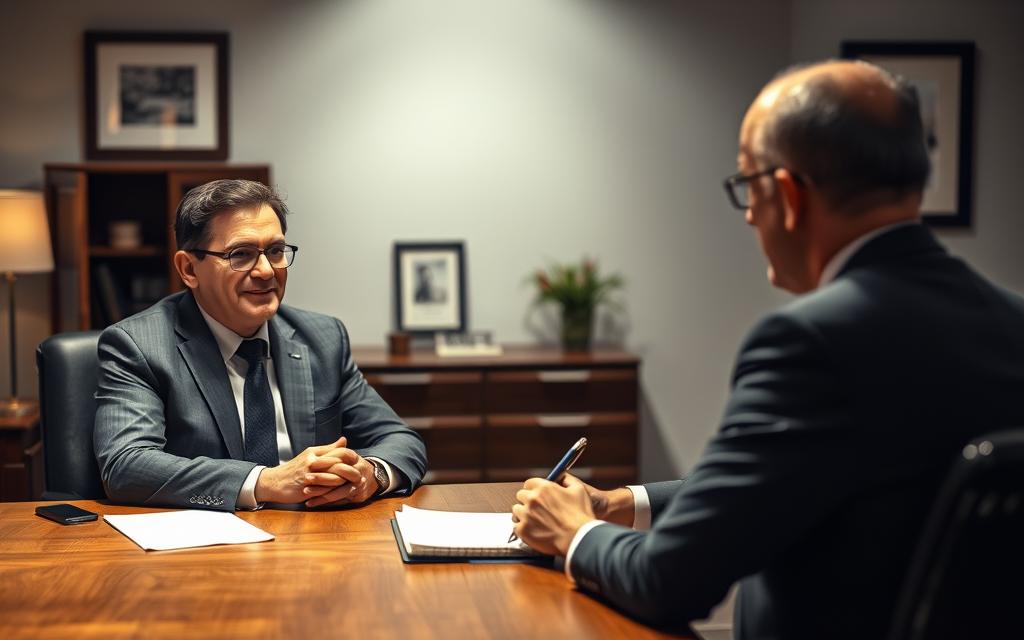
A family member passes away, and suddenly you are responsible for handling their affairs. Bills continue to arrive, a home needs maintenance, and relatives begin asking questions about property or accounts. At the same time, unfamiliar legal paperwork appears, filled with terms that are difficult to understand.
Many people assume probate is only for wealthy families or complicated estates. In reality, probate often applies to ordinary situations involving homes, bank accounts, or personal belongings.
This is where a Las Vegas probate attorney becomes relevant—not to complicate matters, but to help bring structure and clarity to an already stressful process.
Probate is the legal process used to settle a person’s estate after death. Its purpose is straightforward: confirm the validity of a will (if one exists), identify assets, pay debts and taxes, and distribute what remains to rightful heirs.
In Nevada, probate is supervised by the district court. While the process is designed to protect beneficiaries and creditors, it can feel overwhelming to those unfamiliar with legal procedures. Deadlines, court filings, and formal notices are often required, even for relatively modest estates.
Probate may be necessary when:
Some probate cases move smoothly. Others become complicated quickly. A Las Vegas probate attorney is often needed when issues arise that go beyond filling out forms.
When someone dies without a will, Nevada law determines who inherits. This process, called intestate succession, may not reflect what the person would have wanted. An attorney helps ensure the estate is distributed correctly under state rules while minimizing confusion among family members.
Disagreements over property, personal belongings, or the interpretation of a will are common. Even small misunderstandings can escalate. A probate attorney acts as a neutral guide, helping resolve disputes through legal procedures rather than personal conflict.
Outstanding debts do not disappear at death. Creditors have the right to make claims against the estate, but only within strict limits. An attorney helps distinguish valid claims from improper ones and ensures debts are paid in the correct legal order.
A probate attorney’s role is not to take control away from families, but to guide them through required steps and reduce mistakes that can delay the process.
Common responsibilities include:
For many families, working with a trusted probate attorney Las Vegas provides reassurance that legal responsibilities are being handled correctly, especially when emotions are high.
Some estates involve circumstances where professional guidance is especially helpful.
Homes and land often trigger probate. Transferring real property incorrectly can cause title issues that surface years later. An attorney ensures deeds are handled properly and recorded according to Nevada law.
When the person managing the estate or the beneficiaries live outside Nevada, coordinating court requirements becomes more complex. Legal representation helps bridge distance-related challenges.
If the deceased owned a business or held partnership interests, probate can affect ongoing operations. An attorney helps address ownership transitions without disrupting the business unnecessarily.
Probate laws vary widely by state. Nevada offers different probate tracks depending on estate value, such as simplified procedures for smaller estates. Knowing which process applies can save time and expense.
The Nevada Judicial Branch provides general guidance on probate procedures and forms, which can be helpful for background understanding.
However, applying those rules to a real-life situation often requires interpretation, especially when assets or family dynamics are complex.
Many people delay seeking legal help due to misconceptions.
Probate is less about legal theory and more about practical responsibility. It involves deadlines, financial decisions, and legal duties that can affect families long after the process ends. While not every estate requires extensive legal involvement, many benefit from informed guidance.
Understanding when and why a las vegas probate attorney may be needed helps families approach probate with realistic expectations. With clear information and proper support, probate can move forward as an orderly process rather than an additional burden during a difficult time.
