
Categories

What if a compound that’s federally approved could still get you in trouble with local authorities? This puzzling reality faces many Georgians exploring hemp-derived options. Federal and state laws create a complex landscape for cannabinoids, requiring careful navigation.
The 2018 Farm Bill set clear national standards for hemp products, defining them by their delta-9 THC content. Federally legal items must stay below 0.3% of this specific compound. But Georgia’s updated regulations add new layers to this framework.
State lawmakers recently redefined THC to include both its active form and acidic precursors like THCA. This means products must now meet a combined threshold for these compounds. Retailers and consumers must verify lab reports showing total concentrations stay within legal limits.
Law enforcement challenges sometimes arise from this evolving policy. While some states treat hemp-derived items as agricultural goods, Georgia’s approach requires extra caution. Third-party testing and proper documentation become essential safeguards.
A naturally occurring compound in hemp plants holds both promise and legal complexity. While not directly psychoactive, its chemical transformation creates regulatory challenges. Federal policies and state-level interpretations shape how these substances reach consumers.
This acidic cannabinoid exists in raw hemp before heat alters its structure. Unlike its activated counterpart, it won’t produce euphoric effects unless exposed to high temperatures. The transformation process—called decarboxylation—unlocks psychoactive properties by altering molecular bonds.
Farmers cultivate specific hemp strains to maximize this compound while adhering to federal limits. Lab tests confirm concentrations remain compliant before extraction. This careful balance allows products to stay within legal boundaries while retaining potential benefits.
Federal legislation redefined industrial hemp as containing under 0.3% delta-9 THC by dry weight. This threshold became the gold standard for legal cultivation and sales nationwide. Producers gained clarity for creating oils, flowers, and edibles from approved plants.
State law sometimes adds extra requirements beyond federal rules. For example, some regions now calculate total potential THC—including acidic forms—when evaluating compliance. Third-party testing and transparent labeling help bridge gaps between policy layers.
How do federal and state rules collide when regulating plant-based compounds? National policies set baseline standards, but regional regulations often rewrite the playbook. Georgia’s approach to hemp-derived items exemplifies this tension, creating a maze for businesses and consumers.
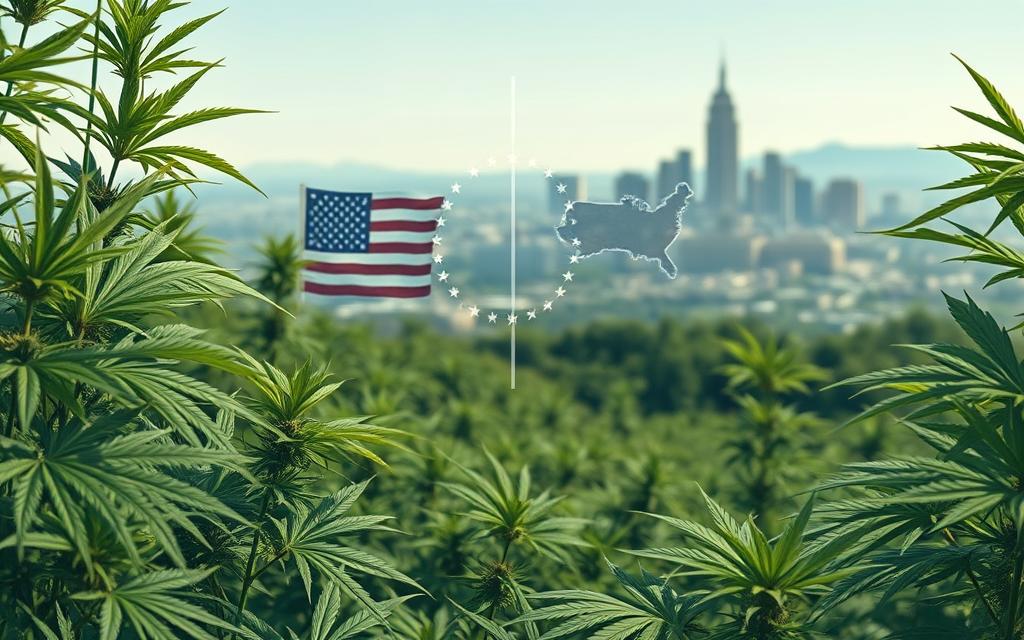
The 2018 Farm Bill established a clear federal framework by defining hemp as containing ≤0.3% delta-9 THC. This threshold separates agricultural crops from controlled substances. Producers nationwide use this standard to create compliant products for retail markets.
Georgia’s updated regulations introduced stricter oversight in 2024. Retailers must obtain special licenses and enforce age restrictions for sale transactions. Unlike federal guidelines, the state bans flower-form hemp regardless of THC content—a significant departure from national norms.
Confusion arises from differing definitions of total THC. Federal law focuses solely on delta-9 levels, while Georgia calculates potential psychoactive compounds. This discrepancy creates enforcement challenges, as untested items might exceed state limits despite federal compliance.
Businesses face operational hurdles under these layered regulations. Mandatory lab testing and detailed labeling add costs, while shifting policies demand constant adaptation. Consumers risk unintended possession issues if products lack proper documentation or exceed evolving standards.
Georgia’s approach to cannabinoid regulation creates distinct challenges for consumers and businesses. State lawmakers revised their hemp statutes in 2024 to address evolving market trends and federal alignment needs.
The 2022 Georgia Code defines compliant hemp as containing ≤0.3% delta-9 THC, including acidic precursors. This total THC standard applies to all hemp-derived products, whether oils, flowers, or edibles. Recent legislation (SB 494) confirms this threshold while introducing stricter testing protocols.
Despite including non-psychoactive compounds in THC measurements, compliant items remain lawful. Third-party lab verification becomes critical since raw materials might transform during storage or transport. Retailers must provide certificates showing both initial and potential activated cannabinoid levels.
Federal and state policies agree on the less 0.3% delta-9 limit but differ in enforcement priorities. Georgia’s updated rules require batch-specific documentation for all consumable items. Products meeting this standard avoid classification as controlled substances, even if containing decarboxylation-ready components.
Key considerations for consumers:
The 2018 Farm Bill foundation allows certain hemp items despite strict local rules. Properly tested flowers remain available if their final delta-9 concentration stays compliant. Ongoing education helps users avoid unintended legal exposure while accessing regulated goods.
Understanding plant-based compounds requires examining their chemical makeup and transformation potential. Hemp-derived materials often walk a tightrope between agricultural compliance and psychoactive capability. This balance becomes critical when analyzing products designed for therapeutic or recreational use.
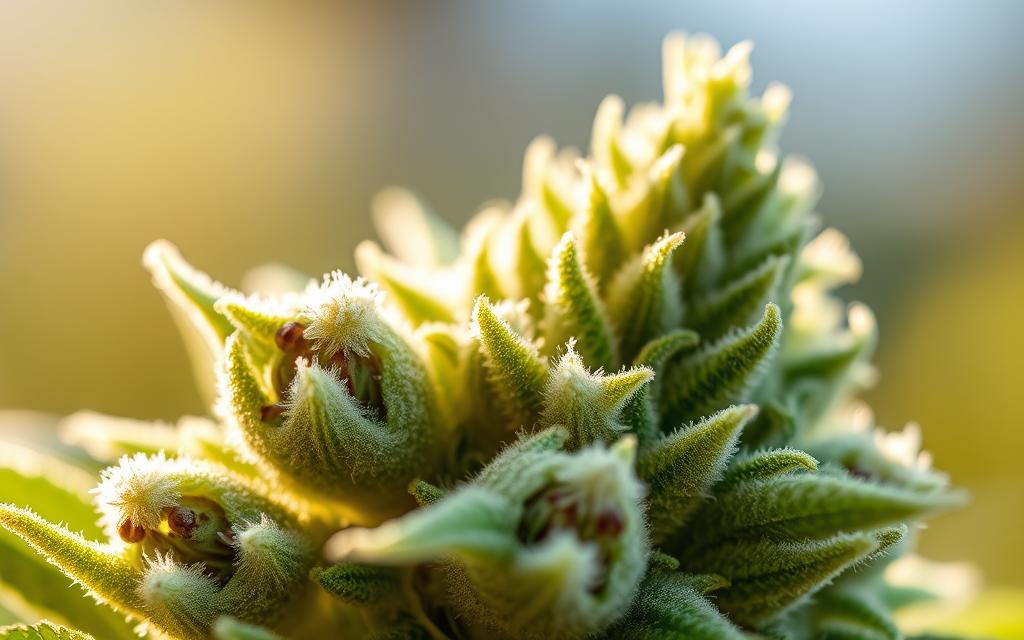
Both plant varieties share similar appearances but differ in active components. Raw hemp contains high levels of acidic cannabinoids like THCA, while traditional varieties focus on activated THC. Structural variations determine their legal status and consumer effects.
| Feature | THCA Flower | Traditional Cannabis |
|---|---|---|
| Primary Compound | THCA (non-psychoactive) | THC (psychoactive) |
| Legal Status in Georgia | Compliant if ≤0.3% total THC | Controlled substance |
| Common Use | Therapeutic applications | Recreational effects |
Heat transforms raw cannabinoids through molecular restructuring. Smoking or baking removes a carboxyl group from THCA, creating psychoactive THC. Proper temperature control ensures full activation while preserving product integrity.
Products must undergo third-party testing to confirm compliance. A Certificate of Analysis (COA) verifies total THC levels before and after potential conversion. Clear labeling helps distinguish lawful hemp from controlled substances under georgia law.
Safety protocols include:
Consumers face hidden risks when purchasing untested cannabinoid items. Third-party verification separates compliant goods from potentially hazardous substance mixtures. Rigorous quality protocols protect users while maintaining market integrity.
A COA serves as a product’s safety passport. Independent labs check for heavy metals, pesticides, and accurate delta-9 THC levels. This documentation proves compliance with federal and state laws while revealing exact cannabinoid concentrations.
| COA Component | Purpose | Consumer Benefit |
|---|---|---|
| Potency Analysis | Verifies THC limits | Avoids legal risks |
| Contaminant Screening | Detects harmful residues | Ensures safe use |
| Terpene Profile | Identifies plant compounds | Guarantees authenticity |
Reputable retailers implement three key safeguards:
Federal regulations require hemp-derived items to meet strict agricultural standards. Partnering with licensed U.S. growers minimizes contamination risks. Always review COAs before purchase – they’re your first defense against subpar products.
Navigating the hemp market demands careful vetting of sellers and products. Consumers must prioritize transparency when selecting vendors for cannabinoid-rich items. Trustworthy businesses distinguish themselves through rigorous testing and compliance documentation.

Reputable retailers provide batch-specific lab reports confirming total THC limits. Third-party testing verifies products stay below 0.3% delta-9 THC and account for potential decarboxylation. Platforms like Mr. Hemp Flower showcase this practice, displaying certificates directly on product pages.
Key steps for safe purchases:
Unverified items risk exceeding state legality thresholds. Products without proper documentation could trigger legal issues during transport or possession. Some untested derivatives might contain undisclosed additives or higher THC concentrations than advertised.
Always cross-reference lab results with expiration dates, as cannabinoid levels can shift over time. Retailers adhering to federal and state limits typically source from USDA-certified farms, reducing contamination risks. This diligence ensures purchases align with safety standards and regulatory requirements.
Transporting hemp-derived items across state lines presents unique challenges under evolving regulations. Federal protections clash with regional enforcement priorities, creating gray areas for distributors and consumers alike.
The 2018 Farm Bill allows nationwide transport of compliant materials containing less 0.3 delta-9 THC. Carriers require documentation proving products meet this threshold through third-party testing. Proper labeling must specify contents as “hemp-derived” with batch numbers matching Certificates of Analysis (COA).
| Guidelines | Federal Requirements | Georgia Requirements |
|---|---|---|
| THC Limit | 0.3% delta-9 only | Total THC (including THCA) |
| Documentation | COA recommended | COA mandatory |
| Packaging | Basic ingredient list | “Hemp-derived” disclaimer required |
Three critical restrictions increase shipping risks:
Recent cases show untested shipments face higher confiscation rates. A 2023 study revealed 23% of hemp flower packages lacked proper COAs when inspected. Always verify your supplier’s compliance through platforms like certified retailers before ordering.
The 2018 Farm Bill framework doesn’t prevent states from imposing extra rules. Georgia’s total THC calculations mean products passing federal checks might still violate local laws. Shipping insurance and tracked logistics help mitigate these operational hazards.
Understanding acceptable usage parameters helps consumers avoid unintended consequences. Georgia maintains no specific quantity restrictions for compliant materials, but total THC thresholds remain critical. Proper documentation serves as your primary defense against misunderstandings.
Start with minimal doses when trying new hemp-derived products. Individual reactions vary, and gradual testing helps identify personal tolerance levels. Always verify third-party lab reports showing cannabinoid percentages before consumption.
State policies treat hemp flower differently than traditional cannabis. While both may contain similar compounds, only properly tested items fall under 2018 Farm Bill protections. Keep products in original packaging with visible batch numbers and COA references.
If uncertainties arise:
Law enforcement prioritizes total THC content over product form. Materials exceeding 0.3% combined cannabinoids risk classification as controlled substances. Regular education about evolving standards helps maintain compliant use patterns.
Federal and state policies create a complex framework for hemp-derived compounds. While the 2018 Farm Bill sets national standards, Georgia’s regulations add specific requirements that demand vigilance. Products containing tetrahydrocannabinolic acid remain compliant only if their total delta-9 THC stays below 0.3%—a threshold enforced through rigorous lab testing.
Trusted suppliers provide transparent Certificates of Analysis (COAs), verifying both safety and compliance. These documents prove a product’s cannabinoid profile aligns with legal limits, shielding consumers from unintended risks. Retailers adhering to strict testing protocols ensure items avoid classification as controlled substances under state law.
Regular updates to policies mean ongoing education remains essential. Subscribing to regulatory newsletters or consulting legal experts helps navigate shifting requirements. Prioritizing third-party tested items and understanding local guidelines allows confident exploration of hemp options.
Though nuances exist, adherence to verified THC content standards ensures lawful possession and use. Informed decisions—backed by lab reports and reputable vendors—turn regulatory complexity into manageable practice.
