
Categories

Are you thinking about buying a foreclosed home? It might seem hard, but it can be a smart move. First-time buyers can find great deals with the right tips.
Foreclosed homes come with their own set of challenges and chances. When a lender takes back a home, it opens up a special market. This market can save you money if you’re ready to do your homework.
To buy a foreclosed home, you need to do your research and get your finances ready. These homes can be a great way to get into a good neighborhood for less. But, you also need to think about fixing it up.
Foreclosed properties can be tricky for new buyers. They offer homes at lower prices. But, knowing about property liens and sales is key to smart choices.
A foreclosure happens when a homeowner misses mortgage payments. The lender then takes the property. This leads to different types of sales for buyers and investors.
Buying REO property can be a big chance. Bank-owned homes often cost less. But, buyers must check the property’s condition and hidden costs.
Things to think about when buying include:
Success in foreclosure investments needs good research, money planning, and a smart strategy. This helps find the best deals in the market.
First-time home buyers find the foreclosure process complex. It’s important to know how lenders handle homes when payments stop.
When a homeowner misses payments, a legal process starts. This can lead to the bank taking the home. It’s key for buyers to understand these steps.
The foreclosure process has several stages:
| Term | Definition |
|---|---|
| Notice of Default | Official document showing missed payments |
| Redemption Period | Time to get the property back |
| Lis Pendens | Legal notice of a foreclosure lawsuit |
The foreclosure process can take 3 to 12 months. This depends on the state and the situation.
Buyers need to do their homework. They must understand each step to buy a foreclosure property.
Buying a foreclosed home needs careful money planning. Getting a loan for these homes is different from usual. First-time buyers must know the special money rules of the foreclosure market.
Make a detailed budget before looking at homes. Foreclosed homes often need a lot of fixes. Buyers should:
There are many ways to finance a foreclosed home. Government-backed loan programs are very helpful:
Foreclosed homes have extra money challenges. Hidden costs include:
Researching and budgeting for these costs is key. It helps buyers make smart choices in the foreclosure market.
Finding foreclosures needs smart research and careful thought. Knowing where to look and how to check investments is key. Good buyers start with deep market research for success.

Looking at neighborhood comparables is very important. Buyers should check:
For HUD foreclosures, many online sites list them:
| Platform | Foreclosure Listing Type | Cost |
|---|---|---|
| Zillow | Bank-owned properties | Free |
| Realtor.com | Government and bank foreclosures | Free |
| HUD Home Store | Government foreclosures | Free |
Good investors watch market signs like local economic conditions and job rates. These things change property values and returns.
By doing thorough research, using the right platforms, and watching trends, buyers can find great foreclosures. This helps them meet their investment goals.
Finding foreclosed properties can be tough for first-timers. Knowing where to look is key to finding good deals. The market for distressed properties is full of chances for smart buyers.
Looking for foreclosed homes needs a smart plan. Here are some top places to find them:
A real estate agent who knows foreclosures is very helpful. They know where to find them and can share tips on the market.
County websites, sheriff’s sales, and auction sites are great for finding deals. Sites like Auction.com and local government sites update listings often. This gives buyers more chances to find what they need.
Success in finding foreclosures comes from being patient and doing your homework. Using many resources and maybe a real estate expert can lead to finding great deals.
Buying a foreclosed home needs careful checking to keep your money safe. A foreclosure home inspection is key when facing the risks of buying these homes. These homes often have special problems that regular homes don’t have.
Those who want to fix and flip these homes must know how important a full check is. Foreclosed homes are sold “as-is.” This means buyers must fix everything themselves.
Home inspections show important details about a home’s state. They can find:
Foreclosed homes often have problems because they were not taken care of for a long time. Common issues include:
Good foreclosure investments need a clear plan for repairs. Experienced investors say to set aside 10-20% of the purchase price for fixes. A detailed check helps make a good budget for your project.
Professional inspectors can give detailed reports. These reports show exactly what repairs are needed. This helps buyers make smart choices about their investment.
Buying a foreclosed home needs smart planning and careful steps. When bidding on a foreclosure, knowing how to negotiate is key. First-time buyers must get ready to face the special challenges of buying bank homes.
Finding the right price for a foreclosed property is important. Buyers should do deep research to buy at a fair price. Important things to look at include:
Winning a foreclosure sale needs smart negotiation. Buyers should:
Banks handle foreclosure sales differently than regular real estate. Flexibility and preparedness are your best tools. Banks want to get the most value and keep things simple.
Creating a strong offer means showing you’re ready financially and know the property well. Your goal is to offer a good price that both sides can agree on.
Buying property at auction needs smart planning. Foreclosure auctions offer a chance to buy homes at lower prices. Knowing how these auctions work can help you win.

Foreclosure auctions need special skills. Buyers must be quick and confident when bidding on bank homes.
Having a good strategy is key when bidding on a foreclosure home. Professional investors often win, so beginners need to be ready.
| Bidding Strategy | Key Considerations |
|---|---|
| Cash Readiness | Prove you can pay right away |
| Emotional Control | Stay within your budget |
| Quick Decision Making | Be ready to make fast decisions |
Winning at an auction auction takes patience, planning, and strategy. By using these tips, you can boost your chances of winning a bid and getting a great property.
Closing on a foreclosed home is a big challenge. It’s important to know each step well. Buyers need to be ready for a more complex deal than usual.
Buying a home from sheriff sale has special steps. Buyers must be well-informed and ready.
Foreclosure purchases have special costs. Typical closing costs are 2% to 5% of the home’s price. These costs include:
Getting a real estate attorney is key for foreclosed properties. They help spot risks and check property details. They also make sure all papers are right.
Set aside money for legal advice. It helps protect your investment and deal with any issues.
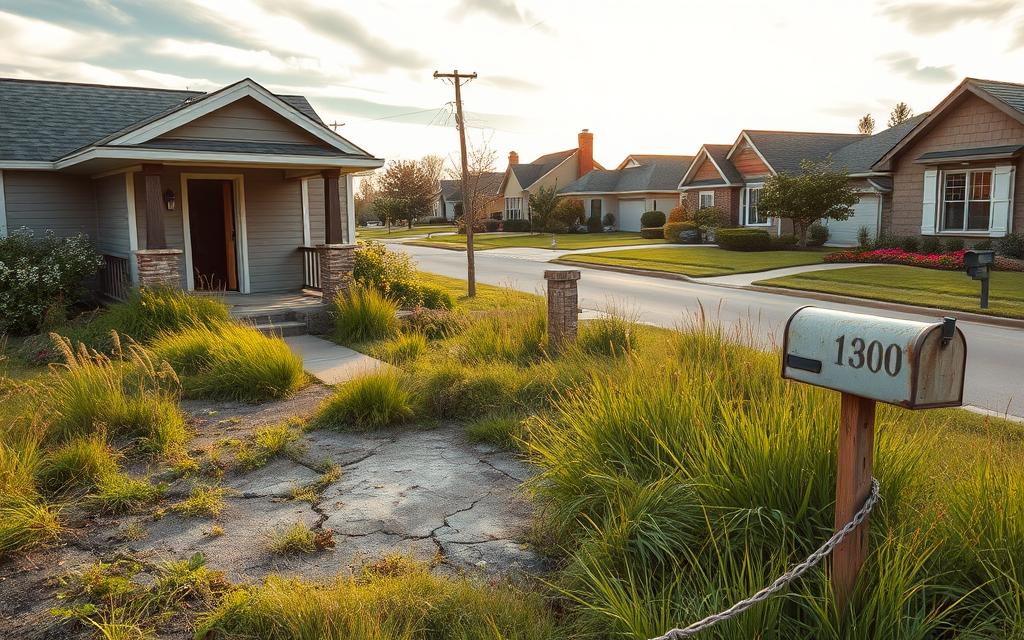
Buying a foreclosed home is the start of a thrilling journey in real estate. To get the best deals, you need to plan well and take care of the property. This is key, as these homes might have been ignored before.
After buying, you face many important choices. These choices can affect your property’s value and success.
Fixing up foreclosed homes can be tough. Start by checking the property’s condition:
Taxes on foreclosed homes can be tricky. Buyers should:
Regular insurance might not cover your foreclosed home well. Special insurance is needed for these homes to keep your investment safe.
Talk to insurance experts who know about foreclosed homes. They can help you find the right protection for your property.
Buying a distressed property can be tricky, like when it’s already got people living there. You need to know how to handle tenants and understand your legal duties to keep your investment safe.
When you buy a foreclosed home, you might find people already living there. It’s important to know the law to deal with these situations well.
Buying a foreclosed home can lead to problems with the people living there. Here are some important steps:
The eviction process changes from state to state. But it usually involves a few key steps:
Dealing with people living in the property means knowing the law:
| Scenario | Tenant Rights | Buyer Actions |
|---|---|---|
| Active Lease | Stay until lease ends | Follow the lease terms |
| Month-to-Month | Get 30-90 day notice | Give formal notice to leave |
| No Lease | Little protection | Can remove them quickly |
Pro tip: Think about “cash for keys” deals instead of eviction. It can save time and avoid legal issues.
Buying HUD foreclosures can be tough for first-timers. But, there are government programs to help. They make it easier and cheaper to buy foreclosed homes.
The FHA and VA have special loans for first-time buyers. These loans have big benefits:
States and local areas also help homebuyers. They offer grants, low-interest loans, and help with down payments for first-timers.
| Program Type | Key Benefits | Eligibility Criteria |
|---|---|---|
| First-Time Buyer Grants | Help with down payment | Income limits apply |
| Local Homeownership Programs | Lower interest rates | Must buy in certain areas |
| Foreclosure Rehabilitation Loans | Money for home fixes | Property must meet certain standards |
The IRS has tax perks for first-time homebuyers. You can get tax breaks for mortgage interest, energy-saving upgrades, and more. These can lower your taxes a lot.
Buying foreclosed homes can be tricky for first-timers. It’s key to know the risks to make a smart buy. Many get excited about low prices but miss important details.
The home buying guide for foreclosures has key areas to watch out for:
When looking at tips for buying bank homes, new investors often fall into traps. Visual appearances can be deceiving. A cheap foreclosure might need lots of repairs, raising costs.
Buyers should add 10-20% to their budget for surprises.
Foreclosed properties often have big challenges. Owners might have ignored upkeep or damaged the property. It’s vital to get a professional inspection.
Look for hidden structural problems that could cost a lot.
Financing foreclosures is different from regular homes. Lenders might have stricter rules. Some homes need special loans.
Working with experienced real estate pros can help avoid money mistakes.
Buying a foreclosure needs careful research and planning. It’s important to be ready for challenges.
Learning about foreclosure purchases is a big job. You need to keep learning and make connections. A good guide can help you understand the real estate world better. First-time buyers should look at many sources to learn and feel sure.
Books are great for learning a lot. Look for books by experts like Than Merrill and Robert Kiyosaki. They have tips for starting in real estate. Websites like Udemy and Coursera have courses that make hard topics easy to get.
Meeting people in real estate is very important. Join groups, use LinkedIn, and go to conferences. These places help you meet people who know a lot. They can teach you, share tips, and maybe find deals for you.
Online learning has changed how we learn about real estate. Sites like BiggerPockets and REIClub have webinars. They talk about the market, how to invest, and tips for buying foreclosures. Keep learning and networking to make smart choices in real estate.
